Who Really Decides What's Next: The Venue Owners Running Music From the Shadows
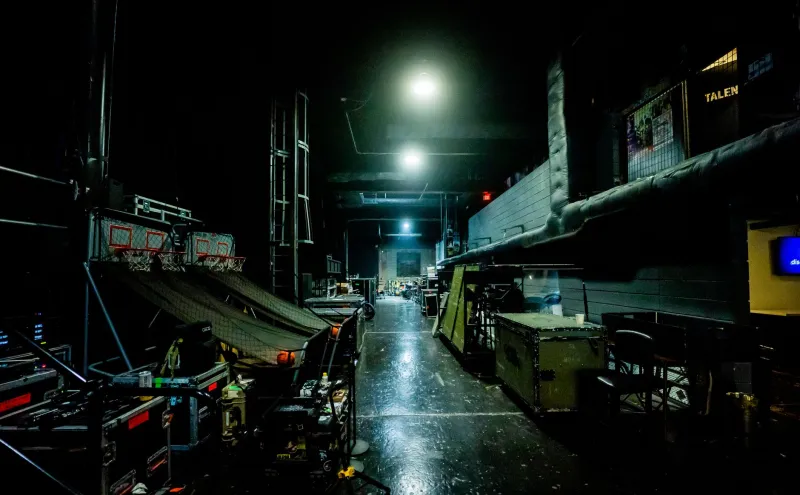
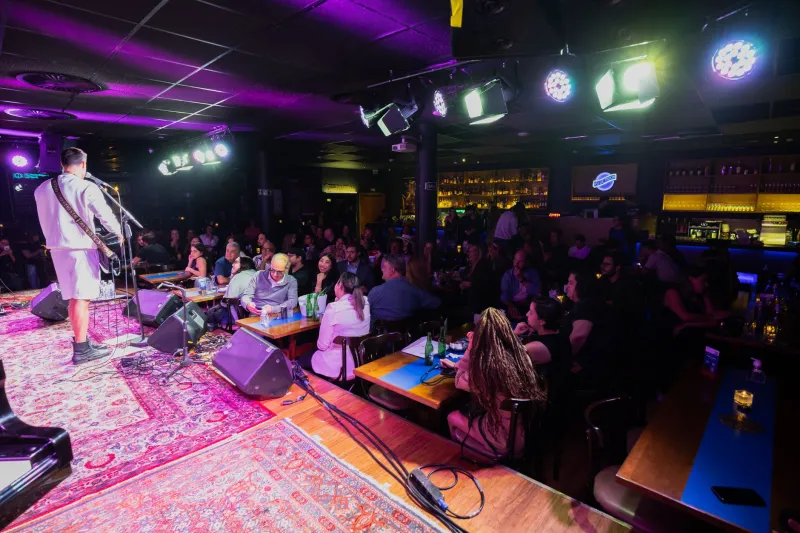
Somewhere in a converted warehouse on the east side of Cleveland, a woman named Margot is arguing with a sound engineer about monitor levels at 11:45 PM. She's also texting a band from Akron about a last-minute slot, coordinating a door list for 200 people who found out about tonight's show through a single Instagram story that's already expired, and mentally calculating whether bar tabs will cover the cost of the PA rental. By 1 AM, she'll have introduced three hundred people to an artist none of them had heard of six hours ago.
By next summer, that artist will have a booking agent.
This is how it actually works now. Not through label showcases in LA. Not through industry panels at SXSW — or at least, not only through those. The real pipeline runs through people like Margot, through the unglamorous, underfunded, fiercely independent network of venue operators, show bookers, and pop-up organizers who have, almost accidentally, become the most powerful tastemakers in American music.
The Scouts Moved Downtown (Then Into the Basement)
Ask anyone who works A&R at a mid-size label where they actually find new artists these days, and if they're being honest, they'll tell you it's not where you'd expect. "I stopped going to official showcases around 2019," said one talent scout who asked not to be named because his employer still officially sends him to those events. "Everything there is already packaged. Someone's already spent money on it. I want to see something before the money touches it."
That means he's at a DIY loft show in Bushwick on a Tuesday. It means he's in a rented rehearsal space in Silver Lake that someone turned into a ticketed event for one night. It means he's on the text chain of a Chicago promoter who books all-ages hardcore matinees in a record store on the weekend and experimental electronic nights in the same space after dark.
The underground venue circuit — loosely defined as any space operating outside traditional club licensing norms, or simply small enough to fly under the mainstream radar — has become the industry's de facto R&D department. Except it didn't sign up for that job, doesn't get paid for it, and frequently resents the implication.
Why These Spaces Have More Pull Than They Should
The economics are counterintuitive. These venues are, by most measures, broke. They're fighting landlords, navigating noise complaints, scrambling for insurance, and running on margins that would make any MBA student physically ill. And yet they hold enormous power over which artists gain early momentum.
The reason comes down to trust. The audiences that show up to underground spaces aren't passive consumers — they're active participants in a cultural conversation. When a booker they respect puts someone on a bill, that endorsement carries real weight. It's curation in the purest sense, untainted by algorithmic pressure or label investment. If a venue with a strong reputation books you, the crowd assumes you're worth their time before you play a single note.
"Our audience trusts us because we've never booked something just because someone paid us to," said one venue operator in Philadelphia who runs a 150-cap room out of what used to be a print shop. "We've turned down money. People know that. So when we say someone's good, it means something."
That credibility is extraordinarily difficult to manufacture and almost impossible to buy. Labels have tried. There's a long, quietly embarrassing history of major-label money attempting to infiltrate DIY spaces, and the results are almost always the same: the audience smells it immediately, the venue loses credibility, and the artist gets tainted by association.
The Geography of Influence
One of the more fascinating aspects of this shift is how distributed it is. The cultural authority of underground venues isn't concentrated in New York or LA the way traditional industry power still largely is. It's in Minneapolis loft spaces and New Orleans courtyard shows. It's in the network of DIY venues stretching across the mid-South that have been quietly building regional scenes for a decade. It's in Chicago's South Side, in Houston's Third Ward, in the parts of every American city that don't show up on tourism maps.
This decentralization is part of what makes the underground venue circuit so resilient and so hard for the mainstream industry to co-opt. There's no single chokepoint. No one gatekeeper. Just a loose, overlapping web of operators who know each other, share artists, and collectively determine what gets a second look.
Artists who navigate this network successfully often describe it as learning a different language. "You can't just email a booking inquiry to these spots," said one touring musician who built a following through the DIY circuit before signing with an indie label last year. "You have to show up, see shows, know people, earn it. Once you're in, though, it's like having a hundred people vouching for you in every city."
The Tension Nobody Talks About
There's an uncomfortable irony baked into all of this. The more effective underground venues become at launching artists, the more attractive those artists become to the mainstream industry — which then pulls them away from the very spaces that made them. It's a cycle that venue operators are acutely aware of and have complicated feelings about.
"We're happy when artists we love get bigger," said a show booker in Austin who has been running events out of various unconventional spaces for nearly a decade. "But there's definitely a moment where you watch someone you helped build go play a 2,000-cap room and you're like... okay. Cool. Back to finding the next one."
Some venues have started to push back, building artist development programs, offering revenue-sharing models, or simply being more selective about who they platform — prioritizing artists who seem committed to the DIY ethos over those who are clearly using the circuit as a stepping stone.
Whether that tension ever gets resolved is an open question. The underground has always had an uneasy relationship with success, partly by design.
What the Industry Still Gets Wrong
For all the increased attention major players are paying to the underground circuit, there's a persistent failure of understanding about how it actually functions. Labels and management companies still try to approach it like a traditional market — sending representatives, offering deals, expecting to be welcomed.
The reality is that the influence of underground venues isn't transferable on demand. It's relational, contextual, and deeply tied to specific communities. You can't extract the tastemaking power from the space and the people who built it. The credibility lives in the room, not in the artist alone.
Margot in Cleveland knows this. She's watched enough label interest arrive too late, move too fast, and miss the point entirely. She'll keep booking her shows, keep fielding texts at midnight, keep arguing about monitor levels in warehouses that smell like old concrete and spilled beer.
And somewhere on her calendar right now is a name you haven't heard yet. Give it about eighteen months.