Your People Are Out There — Here's How to Find Them Without Giving the Algorithm Your Soul
The Problem With "Community" Online
Let's start by naming the thing everyone already knows but rarely says out loud: most of what passes for online community these days is just content consumption with a comment section attached. You follow a creator, you like their posts, you occasionally type something in response to other people who also follow that creator. The algorithm rewards engagement. Everyone performs slightly more extreme versions of their opinions to generate that engagement. Nobody actually knows anybody.
This isn't a hot take. It's a structural reality of how social media platforms are designed. They're built to maximize time on platform, not to facilitate genuine human connection. The two things are not the same, and in many cases, they actively work against each other.
So if you're reading this and feeling that low-grade dissatisfaction — like you're technically connected to thousands of people but somehow more isolated than ever — you're not imagining it. And more importantly, there's a way out.
The communities you're actually looking for exist. They're just not optimized for visibility.
Underground Film Societies and Cinema Collectives
What they are: Organized groups of film enthusiasts who screen rare, obscure, or experimental work outside the commercial cinema ecosystem. These range from formal 501(c)(3) nonprofits to informal gatherings in someone's living room.
Why they're worth finding: The conversation after the film is the whole point. Unlike a movie theater, a film society screening is explicitly a social event. People come to talk, argue, and think together. The shared experience of watching something challenging in a room full of people who care creates a depth of connection that no algorithm-curated content recommendation can touch.
How to find them: Search for film societies affiliated with your local university or art museum — many run public programming. Look for listings on Eventbrite using search terms like "underground cinema," "experimental film," or "repertory screening." The nonprofit Cinema Preservation Alliance maintains a directory of member organizations across the country. Independent bookstores and record shops often have bulletin boards with flyers for local screenings.
Pro tip: Show up consistently. Film societies are tight-knit by nature. You won't be welcomed into the inner circle after one visit, but after three or four, people start to remember your face.
Zine Collectives and Print Culture Communities
What they are: Groups organized around the creation, distribution, and appreciation of self-published print media — zines, chapbooks, small-run literary magazines, and artist books. These communities have existed since the punk era and have never fully gone away.
Why they're worth finding: Zine culture operates on a fundamentally different logic than social media. It's slow, intentional, and physical. People put real effort into making something that exists in the world as an object. That shared commitment to craft creates a particular kind of respect between community members that's genuinely rare online.
How to find them: Zine fests are the primary gathering point. Virtually every major US city hosts at least one annually — search "[your city] zine fest" for local options. The Queer Zine Archive Project and Barnard Zine Library both maintain resources for connecting with wider zine networks. Independent bookstores with a zine section (look for Microcosm Publishing titles as a tip-off) are often community hubs themselves.
Community organizer insight: "The barrier to entry in zine culture is making something," says Priya Sandhu, who co-organizes a zine collective in Minneapolis. "You don't have to be good at it. You just have to try. That shared vulnerability of putting something you made into someone else's hands — it's a real foundation for connection."
Private Discord Servers and Invite-Only Online Communities
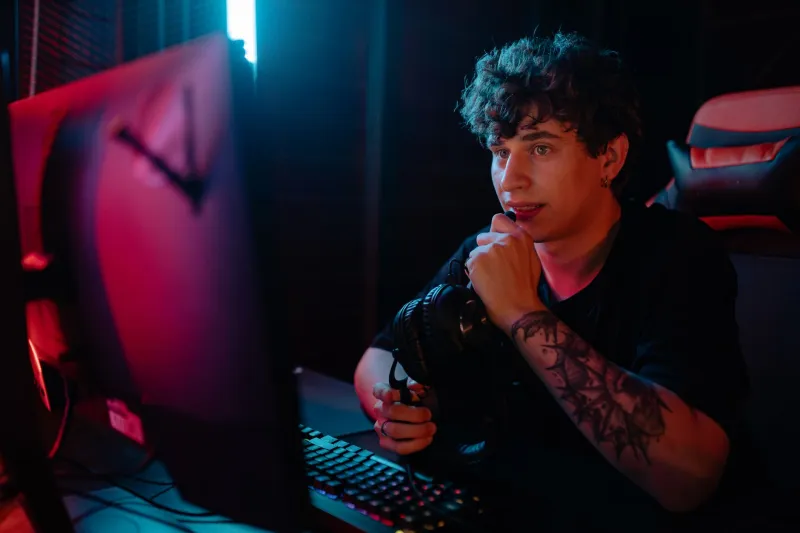
What they are: Discord, the chat platform originally built for gamers, has become the infrastructure for a genuinely remarkable range of niche communities — from experimental music listeners to obscure horror fiction fans to regional urban exploration groups. The key distinction from public social media is intentional curation: many of the best servers are invite-only or require an application.
Why they're worth finding: A well-moderated Discord server feels nothing like Twitter or Instagram. Conversations are threaded, searchable, and ongoing. People build real relationships over months of daily interaction. The smaller and more specific the community, the better the quality of conversation tends to be.
How to find them: Disboard.org is a public directory of Discord servers, searchable by interest. Reddit communities in your area of interest often have pinned posts linking to associated Discord servers. Following independent creators and artists in a niche you care about and watching for server invitations in their content is another reliable method.
What to look for in a quality server: Active moderation, clearly stated community guidelines, channels organized by topic rather than chaos, and a vibe where people are actually talking to each other rather than just posting content for reaction.
In-Person Meetups and Hobby Communities
What they are: The oldest form of community, suddenly countercultural again. Board game nights, tabletop RPG groups, amateur radio clubs, urban sketching collectives, competitive puzzle communities — the list of people who gather in person around shared interests is endless and largely invisible online.
Why they're worth finding: There is no substitute for being in a room with people. Shared physical space creates accountability, warmth, and the kind of spontaneous conversation that digital communication structurally prevents. In-person communities also tend to be more socioeconomically and generationally diverse than online ones, which makes them richer.
How to find them: Meetup.com, despite its age, remains genuinely useful for finding recurring in-person groups. Facebook Events is worth tolerating for local community listings even if you hate the platform otherwise. Library community boards, local subreddits, and neighborhood-specific apps like Nextdoor all surface in-person gatherings that never make it to mainstream visibility.
What Makes Underground Spaces Feel Safer
This is the question worth sitting with: why do people in these communities consistently describe them as more authentic and psychologically safer than mainstream social media?
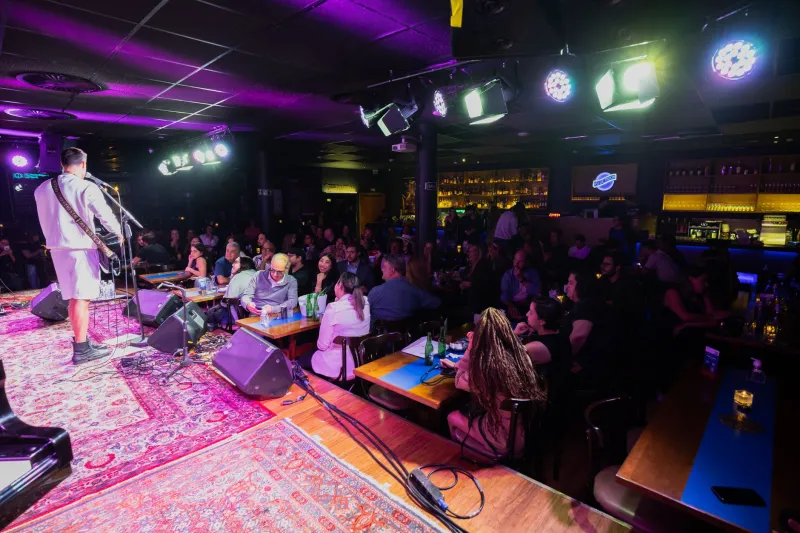
"The algorithm doesn't reward us," says Jordan Tate, who organizes a monthly underground music and art meetup in Detroit. "We're not trying to go viral. Nobody's performing for followers. People come because they actually want to be here, and that changes everything about how people treat each other."
Intentionality is the operative word. When someone has to seek out a community — has to find the flyer, send the application, show up in person — they've already made a commitment that passive social media scrolling never requires. That commitment filters for genuine interest and creates a baseline of shared investment that algorithm-driven spaces simply can't manufacture.
The Only Rule That Matters
Here's the thing about finding your people in underground spaces: you have to actually show up. You have to be present, curious, and willing to be a newcomer for a while. You have to contribute before you extract.
The communities worth finding aren't designed to make it easy for you. That's not a bug. That's the feature. The friction is the point — it keeps the energy clean, the conversation real, and the people in the room exactly where they want to be.
Your people are out there. They're meeting in basements and back rooms and private servers and library community rooms. They're not waiting for an algorithm to introduce you. That part's on you.