Basements, Warehouses, and the Cities Nobody's Watching: America's Real Music Scene
The Spotlight Isn't Where You Think It Is
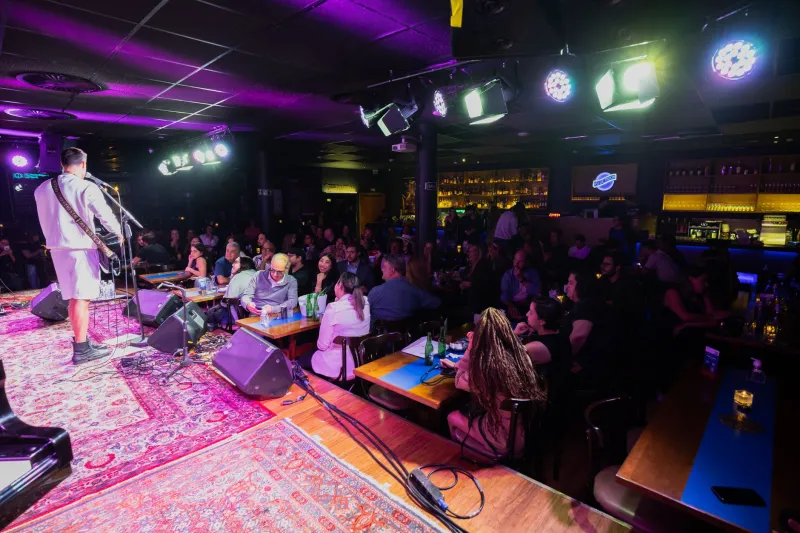
Let's be real for a second. The last time you felt genuinely floored by a live music experience — like, actually moved — was it at a stadium? Was it a ticketed festival with a corporate sponsor splashed across the main stage? Probably not. For a lot of music heads, the shows that stick with you happened in a room with a low ceiling, bad ventilation, and a crowd of maybe sixty people who all seemed to know something the rest of the world didn't.
That's not nostalgia talking. That's geography.
While the industry machine keeps its eyes locked on New York, Los Angeles, Nashville, and Chicago, a sprawling, loosely connected ecosystem of underground venues has been quietly flourishing in places like Lansing, Michigan; Shreveport, Louisiana; Spokane, Washington; and Youngstown, Ohio. These aren't cities that make the festival circuit. They don't have a reputation for breaking artists. But right now, some of the most interesting music in America is happening in their basements.
What Makes a Venue "Underground" Anyway?
The word gets thrown around a lot, so it's worth pinning down. We're not just talking about venues that are literally below street level — though plenty are. Underground, in this context, means operating outside the conventional industry pipeline. No Ticketmaster integration. No booking agents with industry contacts. No artist riders demanding specific brands of sparkling water.
These are spaces run by people who love music enough to deal with city permits, noise complaints, and perpetually broken PA systems. They're converted warehouses that double as art galleries on weekends. They're bars that technically don't have a stage but somehow always have a band. They're private residences where the basement gets cleared out every third Saturday and fifty people show up because someone posted a flyer on a telephone pole.
In Akron, a former tire warehouse called The Pressure Drop has become a regional hub for experimental electronic artists and post-punk bands who can't get booked at the city's more established spots. The venue seats — well, "seats" is generous — maybe 150 people on a good night. The sound system was assembled piece by piece over three years. The booking policy is basically: if the organizers think you're interesting, you're in.
"We don't care if you have a following," says one of the venue's co-organizers, who asked to remain unnamed because the space operates in a legally gray area regarding its event permits. "We care if you're doing something we haven't heard before. That's it."
The Cities Nobody's Watching
What's happening in mid-sized American cities right now is genuinely fascinating from a cultural standpoint. These are places that have been economically overlooked for decades — post-industrial towns, regional hubs that got bypassed by the knowledge economy, cities that younger generations historically fled for coastal opportunities. But that same economic pressure has created something unexpected: cheap real estate, available space, and communities of creative people who stayed or returned and decided to build something.
In Baton Rouge, a speakeasy-style club operating out of what appears to be an unremarkable commercial strip has developed a reputation for booking avant-garde jazz and experimental hip-hop acts months before those artists start showing up on Spotify editorial playlists. You find out about shows through a text chain. The address isn't public. This is intentional.
"The exclusivity isn't about being elitist," explains a local music writer who covers the scene. "It's about protecting the vibe. The moment a space gets too visible, the wrong energy walks in. Not wrong people — wrong energy. People who are there to be seen rather than to listen."
This tension between visibility and authenticity is something every underground venue eventually has to navigate. Go too public and you risk losing the thing that made you special. Stay too hidden and the artists you love can't sustain themselves financially.
The Artist Development Pipeline Nobody Talks About
Here's something the mainstream industry doesn't like to acknowledge: a significant number of artists who eventually break through on a national level spent years being developed in exactly these kinds of spaces. Not in industry showcases. Not in label-sponsored development programs. In basements and converted warehouses in cities nobody was paying attention to.
The reason is pretty straightforward. These venues offer something that polished industry environments can't replicate: the freedom to fail in front of a forgiving audience. When you're playing a basement show in Lansing to forty people who came specifically because they're curious and open-minded, you can try the weird stuff. You can play the song that doesn't fit. You can bomb and come back next month and try again.
That kind of low-stakes experimentation is where artistic identity actually gets built. It's where performers figure out who they are on stage before the pressure of a real industry gaze gets applied.
What These Spaces Reveal About Fan Culture
Maybe the most interesting thing about underground venues isn't the music itself — it's the audiences they cultivate. People who seek out basement shows and speakeasy clubs aren't passive consumers. They're active participants in a scene. They know the organizers by name. They help load equipment. They spread the word through genuine word-of-mouth rather than algorithmic recommendation.
This is what authentic fan culture actually looks like, and it's increasingly rare in an entertainment landscape dominated by parasocial influencer relationships and algorithmic content delivery. At an underground show in Spokane or Youngstown, the relationship between artist and audience is genuinely reciprocal. Both parties showed up for the same reason: because they believe something real is happening here.
That belief — fragile, specific, and impossible to manufacture — might be the most valuable thing in music right now. And it's alive and well in cities the industry forgot to watch.
The Future Looks Like a Basement
None of this is going away. If anything, as mainstream entertainment becomes more consolidated, more algorithm-dependent, and more financially inaccessible, the underground will keep absorbing the people who are hungry for something different. The venues will keep changing — new cities, new spaces, new formats — but the impulse driving them is permanent.
So the next time you're tempted to complain that live music has lost its soul, maybe just check the telephone poles in a mid-sized city you've never thought about visiting. There's probably a flyer up there for something that'll change your life. You just have to be willing to find it.