Dial It Back: Why a New Generation Is Tuning Into Radio Signals Nobody's Supposed to Know About
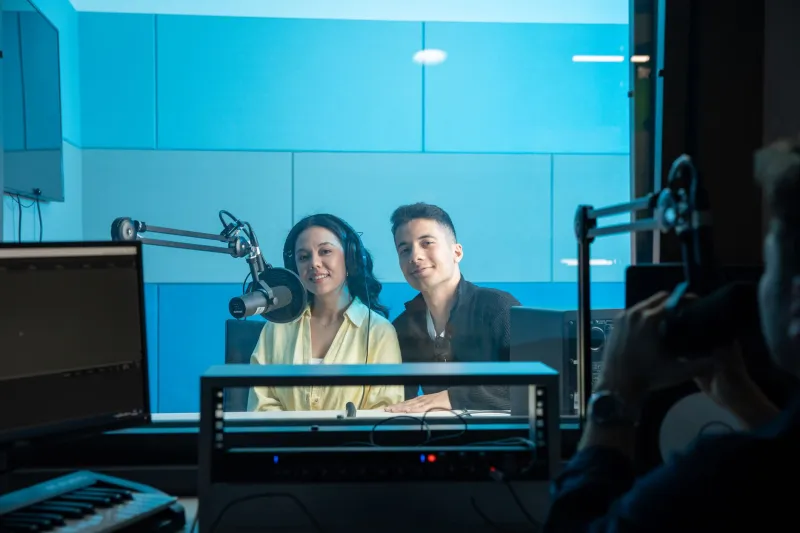
Somewhere in the middle of a Tuesday night, a college sophomore named Dre is sitting in a closet-sized studio at a mid-sized university in Ohio. The transmitter hums. The on-air light glows red. He's got a crate of records, a playlist nobody approved, and maybe three hundred listeners — and he wouldn't trade the moment for a Spotify editorial slot if you paid him.
This is what radio resurrection looks like in 2024. Not the polished, algorithmic-adjacent kind that iHeart Radio pretends is discovery. The real thing. Messy, unpredictable, and increasingly impossible to ignore.
The Algorithm Is a Dead End and Everyone Under 25 Knows It
Let's be honest about what streaming platforms actually do. They're extraordinary at serving you more of what you already like. They're catastrophic at surprising you. The Discover Weekly playlist that everyone swore by five years ago now feels like a vending machine — technically functional, spiritually empty.
Gen Z listeners, who grew up inside the algorithm, are the ones most burned out by it. There's a particular kind of fatigue that comes from having every musical decision pre-sorted for you. When everything is personalized, nothing feels like a find. And when nothing feels like a find, music loses the social currency that makes it worth talking about in the first place.
Enter the radio freaks.
College stations — historically underfunded, chronically understaffed, and operating on FCC licenses that give them maybe a ten-mile radius — are reporting listener growth they haven't seen in over a decade. WKNC at NC State. WUSC at the University of South Carolina. WNYU in New York. These aren't nostalgia projects. They're active, chaotic, genuinely weird broadcasting operations that are attracting younger audiences specifically because they can't be gamed.
You Can't A/B Test a DJ Who's Freestyling at Midnight
Here's the thing about radio that streaming will never replicate: the host has no idea what you want. That's the feature, not the bug.
When a college radio DJ spins three records in a row that don't belong together by any algorithmic logic — a lo-fi hip-hop beat, a Vietnamese psych-rock track from 1972, and a local band's cassette demo — something happens that no playlist can manufacture. You either change the station or you lean in. And the people who lean in become the most devoted listeners in the room.
This is the core appeal of what's happening right now. Radio, especially the low-power and unlicensed variety, operates on taste rather than data. A real human being made a decision. That decision might be wrong. It might be brilliant. The uncertainty is the whole point.
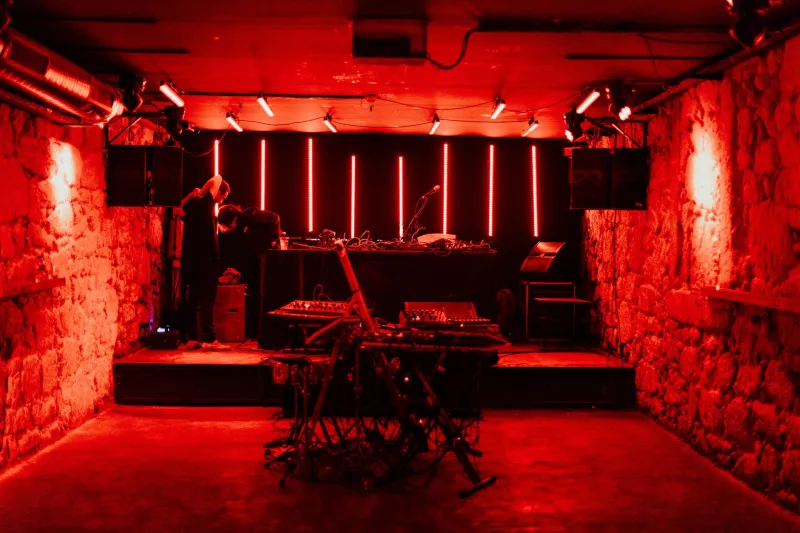
Pirate stations — and yes, they're still very much a thing — operate on an even more extreme version of this logic. Unlicensed FM broadcasts have been a fixture of American underground culture since at least the 1970s, but the current wave feels different. These aren't just political dissidents with transmitters. They're music obsessives in cities like Chicago, Detroit, and Miami running shows that feel like the best underground party you've never been invited to. The FCC still sends warning letters. Most operators just move the antenna.
What Artists Actually Get Out of This
The benefits for listeners are one thing. What's more interesting is how artists are starting to treat these radio networks as legitimate career infrastructure.
Streaming pays fractions of pennies. Everyone knows this. But beyond the money problem, there's a credibility problem. Getting placed on a Spotify-generated playlist means you were approved by a data model. Getting spun on a college station at 2 AM by a DJ who found your record in a used bin means something else entirely. It means a human being with actual taste decided you were worth other people's time.
In underground music communities — punk, experimental, noise, regional hip-hop, DIY folk — that distinction matters enormously. Streaming numbers can be bought, gamed, or inflated by playlist placement. A college radio chart can't. When WFMU in New Jersey or KXLU in Los Angeles puts your record into rotation, you've passed a filter that algorithms can't replicate.
Artists are noticing. More indie and underground acts are actively pitching college stations before they bother with streaming playlists. Some are pressing vinyl or cassettes specifically for radio distribution, knowing that a physical format landing in a station's library has a longer shelf life than a digital submission that gets buried in an inbox.
The Network Nobody Mapped
What's emerging isn't a movement with a manifesto. It's looser than that — a scattered web of stations, shows, and pirate broadcasts that are quietly establishing their own credibility hierarchies.
College radio music directors talk to each other. They share tips on emerging artists the way record store clerks used to. A band that breaks through on a cluster of college stations in the Midwest can build genuine regional heat before a single algorithm notices them. By the time they show up on streaming charts, the underground has already decided whether they're real or not.
Pirate broadcasters operate their own informal networks, often promoting each other through social media while keeping the actual frequency information deliberately vague. There's a scavenger-hunt quality to finding a good pirate station that functions as its own filter — if you're motivated enough to track it down, you're probably the kind of listener worth broadcasting to.
Some of these operations have developed cult followings that rival mid-sized podcasts in terms of dedicated audience engagement. The difference is that the radio audience can't skip, can't shuffle, and can't pause. They're fully committed to whatever's happening in the moment. For underground artists, that kind of captive, self-selected listenership is genuinely valuable.
Why This Isn't Going Away
The easy narrative is that this is a nostalgia play — vinyl-obsessed kids romanticizing a medium their parents grew up with. That's too simple.
What's actually happening is a functional rejection of curation-by-algorithm in favor of curation-by-human-beings-who-give-a-damn. Radio just happens to be the infrastructure that already exists for doing that at a broadcast scale. The medium is incidental. The desire for genuine, unoptimized discovery is the real driving force.
Spotify isn't going anywhere. Neither are the college kids running shows in cramped studios at midnight, playing records nobody asked for, building communities one accidental discovery at a time.
Dre in Ohio wraps his Tuesday show around 2 AM. He doesn't know exactly who was listening. He doesn't have analytics. He has a stack of records he wants to play next week and a vague sense that somewhere out there, someone heard something tonight they didn't expect.
That's it. That's the whole thing. And apparently, that's enough.