The Quiet Architects: Sound Engineers Who Built an Underground Empire Nobody Talks About
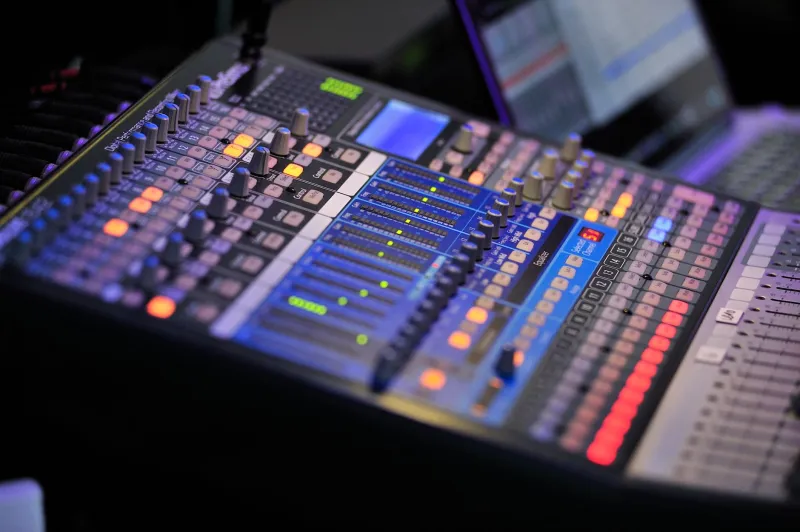
There's a guy in Cincinnati — we'll call him Marcus, because he asked us to — who hand-built a mixing console out of salvaged broadcast parts and custom-fabricated components. It took him three years. It sounds, by most accounts, absolutely insane in the best possible way. You've never heard of him. You're not supposed to.
That's kind of the whole point.
While the rest of the creative world has been sprinting toward visibility, a loose but deeply connected network of sound engineers, audio technicians, and acoustic obsessives has been doing the opposite. They've built something real, something functional, and something deliberately invisible — and the underground music scenes they support are thriving because of it.
The Infrastructure Nobody Sees
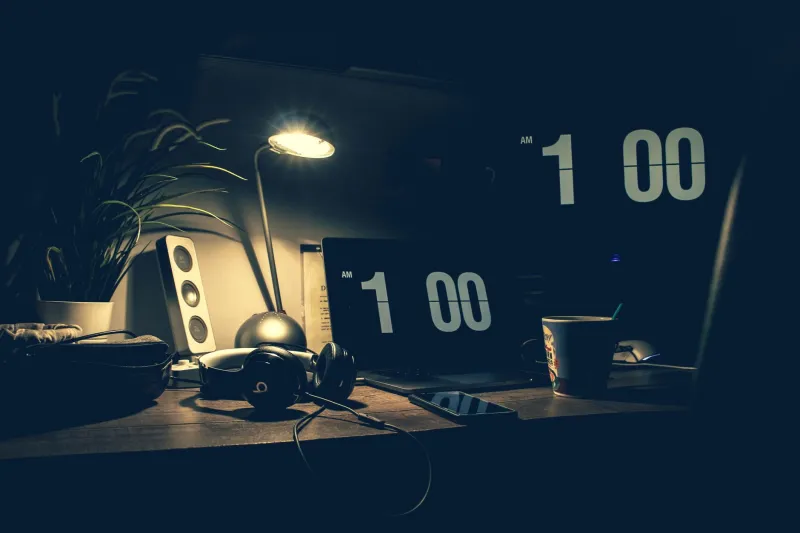
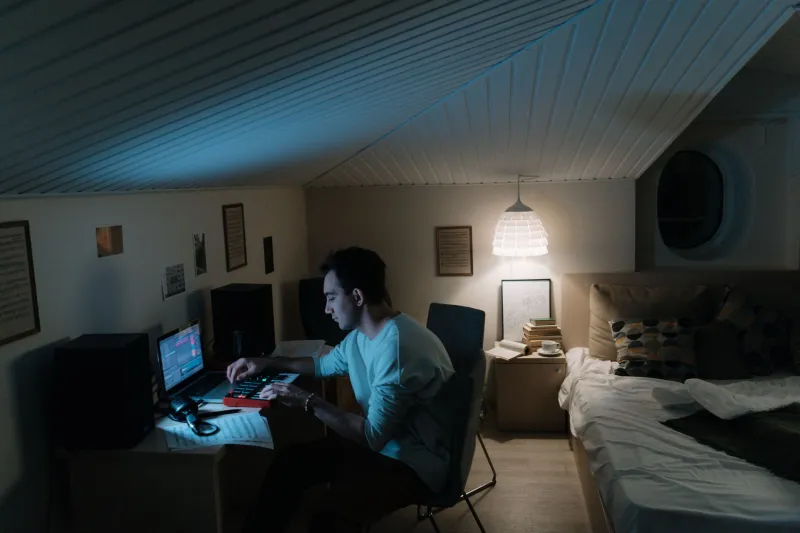
When people talk about underground music, they usually picture the performers. The bands, the DJs, the bedroom producers grinding at 2 AM. What they don't picture is the person behind the board making all of it actually sound good — and more importantly, the web of relationships that person has spent a decade building.
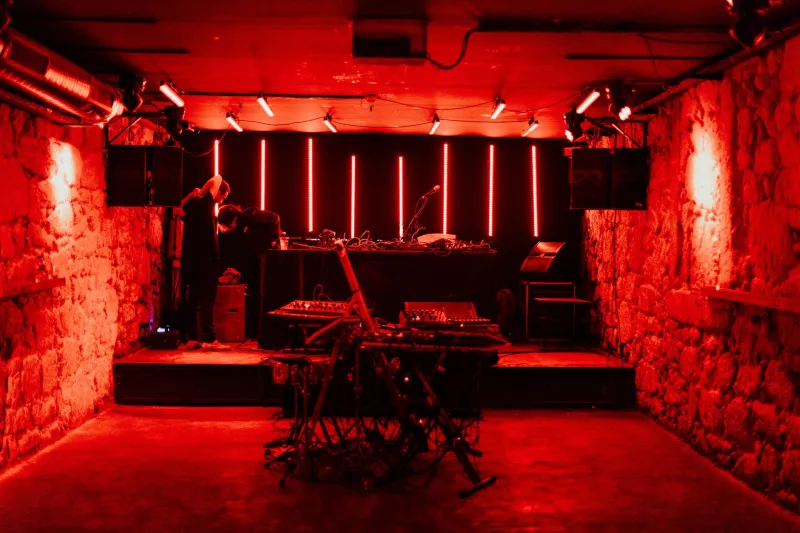
Sound engineers occupy a weird space in the creative economy. They're technically skilled enough to work in commercial settings, but a significant chunk of them have made a conscious choice not to. Instead, they've built a shadow infrastructure that keeps underground venues, DIY festivals, and independent recording spaces running at a level that would genuinely surprise most people.
Think about what that actually means in practice. We're talking about shared equipment libraries where engineers loan out gear across cities with nothing more than a text message and a handshake agreement. Private group chats where someone in Austin can get a referral to a trusted engineer in Detroit within the hour. Informal apprenticeship pipelines that have nothing to do with music school or industry credentialing.
It's a parallel system. And it works.
Custom Gear as Cultural Artifact
One of the more fascinating threads running through this community is the prevalence of custom and modified equipment. Commercial gear is fine. Commercial gear gets the job done. But a lot of engineers deep in the underground scene have developed a near-obsessive relationship with building, modifying, and trading custom hardware.
Part of this is practical. Custom gear can be optimized for specific acoustic environments — the particular reverb characteristics of a converted warehouse in Chicago are different from a basement venue in Philadelphia, and off-the-shelf solutions don't always account for that. But there's also a cultural dimension here that's hard to ignore.
Owning custom equipment is a form of creative sovereignty. When your mixing board is something you built yourself or commissioned from someone in your network, it can't be recalled, discontinued, or priced out of reach by a manufacturer. It belongs to the community in a way that commercial gear just doesn't.
Engineers trade modifications and schematics like other communities trade recipes. A filter circuit developed by someone in Portland ends up in a board being used at a late-night showcase in New Orleans. The knowledge moves through the network even when the hardware doesn't.
Private Streaming and the Anti-Platform Play
Here's where things get genuinely interesting for anyone paying attention to where media is heading. A growing number of underground engineers have helped establish private streaming infrastructure for their scenes — not on Twitch, not on YouTube, not on any platform that requires an account linked to your real identity or subjects your content to algorithmic moderation.
These are small-scale, intentionally limited streaming setups. Sometimes it's a password-protected stream for a specific show, shared only within a community's existing channels. Sometimes it's a more permanent arrangement where a venue or collective maintains their own server infrastructure and broadcasts to a subscriber list that grows entirely through word of mouth.
The engineers running these systems are often doing it as a labor of love, charging little or nothing. What they get in return is something the platform economy can't really offer: trust, autonomy, and the satisfaction of building something that belongs to the community it serves.
The deliberate smallness is a feature, not a limitation. When you control who has access to a stream, you control the culture around it. There's no comment section full of strangers, no recommendation algorithm nudging your audience toward something else, no terms of service that can suddenly demonetize a performance because an automated system flagged something it didn't understand.
How the Network Actually Grows
Ask anyone inside this world how they got connected and you'll hear the same kind of story every time. They helped out at a show. Someone they met there knew someone else. They drove four hours to help a crew they'd only talked to online because the favor would eventually come back around.
It's not glamorous. It's not scalable in the startup sense of the word. And that's exactly why it works.
The underground engineer network grows through demonstrated competence and genuine reciprocity. You get in by being good at what you do and by showing up when people need you. You stay in by maintaining those relationships over years, not by accumulating followers or building a brand.
This stands in pretty stark contrast to the creator economy model that's dominated conversations about independent creative work for the last several years. The algorithm-chasing approach requires constant visibility, constant content, constant performance of yourself as a product. The underground network model requires almost the opposite: quiet reliability, technical skill, and a long memory for who helped you when you needed it.
What This Tells Us About Sustainable Creative Ecosystems
There's a lesson buried in all of this that goes beyond sound engineering specifically. What these engineers have built — often without consciously framing it in these terms — is a resilient, community-owned infrastructure that serves creative work without extracting value from it.
No platform takes a cut. No algorithm decides who gets heard. No outside investor has a stake in the direction things move. The whole apparatus runs on relationships, technical knowledge, and a shared commitment to keeping the culture healthy.
For anyone frustrated with how the mainstream creative economy treats independent artists and the people who support them, that's not a small thing. That's actually kind of radical.
Marcus in Cincinnati is still working on his next console build. He's got a waiting list of people who want to use it. None of them found him through an app. He's exactly as famous as he wants to be, which is not at all — and the music being made on his equipment sounds like nothing else you'll hear this year.
You just have to know where to look.