The Guys Turning Busted Warehouses Into Cathedrals of Sound

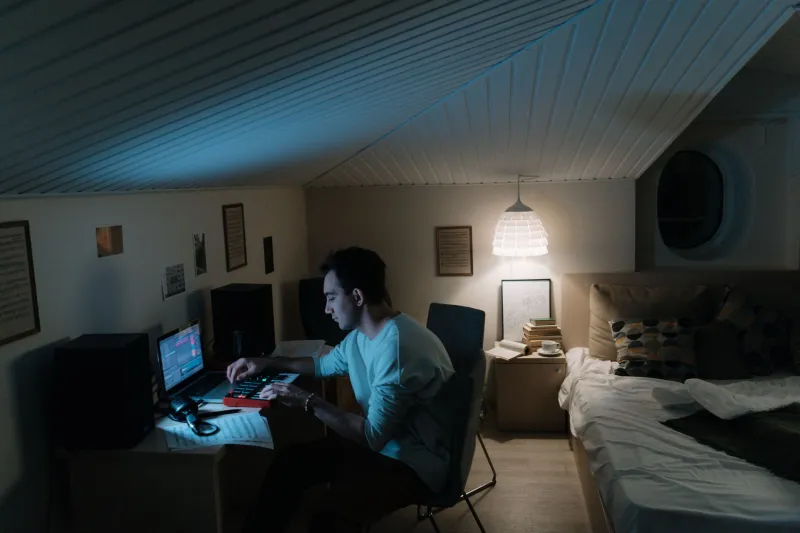
There's a particular kind of magic that happens when you walk into an underground venue and the sound hits you in a way you can't quite explain. It's not clean. It's not polished. But it wraps around you like something alive, and you feel it in your chest before your brain even registers the music. That feeling doesn't happen by accident. Somebody built it — usually alone, usually underpaid, and almost always without a single line of credit in the event flyer.
They're called sound engineers, but that label barely scratches the surface of what the best ones actually do in underground spaces. In legitimate concert halls and stadium venues, engineers are working with purpose-built rooms, acoustic panels, and systems that cost more than most people's houses. In the underground? They're working with whatever the building already is — and figuring out how to make that a feature instead of a problem.
Reading a Room Like a Language
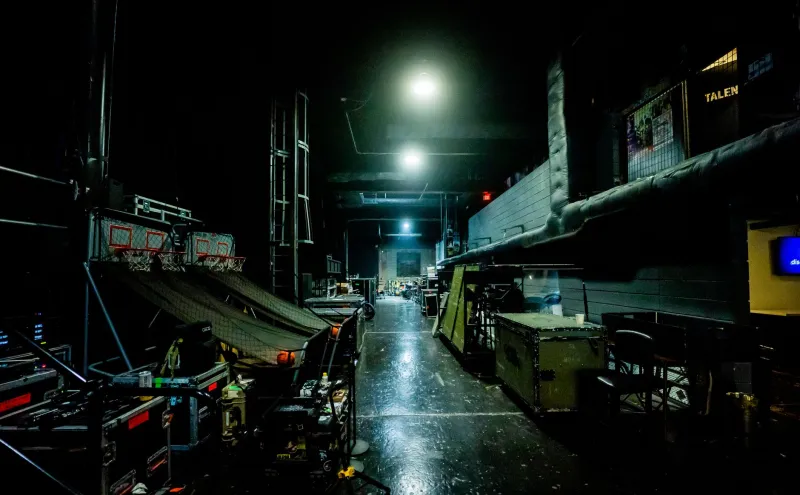
Every abandoned space has a voice. A converted meatpacking facility in Chicago sounds completely different from a repurposed auto shop in Detroit or a gutted textile mill somewhere in the Carolinas. The ceiling height, the exposed brick, the concrete floors, the random metal beams — all of it shapes how sound moves through the air and bounces back at the audience. Most people experience that as chaos. A skilled underground engineer experiences it as raw material.
"You stop fighting the room pretty quick," says one engineer who's been building DIY systems across the mid-Atlantic for over a decade, asking to stay anonymous because several of the venues he works with operate in legally gray territory. "The room is going to do what it does. Your job is to figure out what that is and lean into it instead of trying to fix it."
This approach — treating a space's acoustic quirks as assets rather than defects — is what gives underground venues their distinctive sonic identity. It's why certain rooms become legendary in local scenes. People don't just go for the acts. They go because that specific room sounds like nowhere else on earth, and they know it.
Guerrilla Infrastructure, Real Results
Building a sound system in a venue that was never designed to be a venue is genuinely difficult work. There's no blueprint. There's often no reliable power grid. The load-bearing structures that would normally anchor speaker arrays are either missing or can't be trusted. Engineers in these spaces are improvising constantly — running custom cable routes, rigging speakers from spots that make zero conventional sense, and patching together equipment from a dozen different sources and eras.
Some of the most respected underground rooms in cities like Brooklyn, Los Angeles, and Philadelphia are running hybrid systems where vintage gear that would be considered obsolete in a professional setting is integrated with modern digital processing. The result is a sound that feels both raw and controlled — gritty in the right places, clear where it needs to be. You can't replicate that in a studio. It only exists in that room, with that setup, built by someone who spent serious time understanding what the space wanted to be.
The cost of this work is almost never reflected in what these engineers actually get paid. Many of them are doing it because they love it, because they believe in the scene, and because there's a certain creative freedom in underground spaces that doesn't exist anywhere else. A warehouse doesn't have a venue manager breathing down your neck about liability or a corporate sound company dictating which gear you can use. You build what works.
The Sonic Signature as Scene Identity
Here's something the mainstream music industry is slowly waking up to: the acoustic identity of underground venues doesn't just affect how shows sound. It shapes entire musical scenes. When artists and bands rehearse and perform regularly in a specific room with a specific sonic character, they start writing and arranging for that room. The music adapts to the space. The space becomes part of the creative DNA of the scene that grows inside it.
This is something that's been true throughout American music history — from the specific reverb of Sun Studio in Memphis to the way certain Chicago blues clubs shaped how performers played to fill the room. The underground is no different. The engineer who dialed in the system at a particular Baltimore DIY space didn't just make shows sound better. They helped define the sonic aesthetic of every band that came up in that room.
That's not a small thing. That's cultural infrastructure.
Why the Industry Is Coming for Them Now
Major labels and large-scale venue operators have historically ignored underground engineers the same way they've ignored most of the underground — until they can't anymore. That dynamic is shifting. As the mainstream music industry continues struggling to identify and develop emerging artists, the people who understand where those artists actually come from are becoming valuable.
Several engineers who built their reputations in DIY spaces have been quietly approached in recent years by touring production companies and mid-size venue chains looking to capture some of that underground authenticity in more commercial settings. The pitch is usually some version of "we want our rooms to feel like yours." It's a compliment that comes with complications.
The challenge is that what makes underground sound engineering special is almost entirely context-dependent. It's the specific room, the specific constraints, the specific creative freedom. Strip those away and put the same engineer in a 2,000-capacity club with a corporate-approved gear list, and you're not getting the same thing. You're getting a simulation of it.
Some engineers are making that transition and finding ways to bring their philosophy with them. Others are staying put, because the underground is where the work is actually interesting. A few are doing both — consulting for larger operations while keeping their DIY rooms running on nights and weekends.
The Credit They Never Get
Walk into almost any legendary underground venue in this country and look at the wall. You'll see flyers for a hundred shows, maybe some graffiti, maybe photos from memorable nights. What you almost certainly won't see is the name of the person who built the system that made all those shows sound the way they did. That person exists. They probably still show up to maintain the rig. They probably know every weird acoustic pocket in that room by memory.
They just don't get a flyer.
The underground music world talks endlessly about the artists, the promoters, the labels, and the gatekeepers with public-facing power. The engineers operating in these spaces are a different kind of gatekeeper — one defined not by who they let in, but by what they make possible once people are inside. The rooms they build are the reason scenes survive long enough to matter.
Next time a show hits different in some sketchy, beautiful, improbable space and you can't quite figure out why — there's your answer. Somebody built that feeling. Probably for not enough money and definitely without enough recognition. But they built it, and you felt it, and that's the whole point.