After Last Call, the Ink Starts: Why Tattoo Shops Became Night Culture's Living Room
Photo: Sgt. Joseph A. Lee, Public domain, via Wikimedia Commons
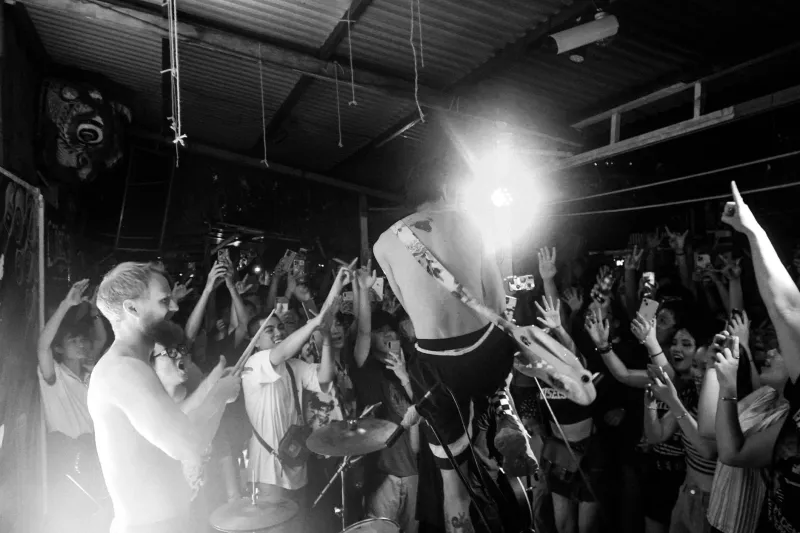
At 2:10 a.m., the line outside the tattoo shop is not a line for tattoos. Not yet. It is a line for the after-show, the after-after-show, and the part of the night that does not have a ticket price. A touring drummer is leaning against the window with a merch tote. A local illustrator is trading stickers with a stranger. Somebody's band played a basement an hour ago and nobody is ready to go home.
This is the new clubhouse. In 2026, late-night tattoo parlors have become one of the few places where underground culture can gather without a stage, a cover charge, or a reason. They are not bars. They are not venues. They are rooms with good lighting, sharp tools, and a strange kind of calm. That combination has made them the most honest third space left in American night culture.
The After-Show That Does Not Need a Stage
The appeal is practical. Clubs close. Bars get loud. Diners are great for a debrief, but they are not built for collaboration. A tattoo shop after hours is different. It is already designed for long sessions, close conversation, and people making permanent decisions. The energy is focused. The music is usually good. Nobody is trying to get you to buy a drink.
Flash nights have become the anchor. Shops open late, put out a sheet of small designs, and let people walk in. Some of those people are getting tattooed. Some are just there to watch, trade zines, or buy a shirt from the band that played down the street. The line between customer and community gets blurry in a useful way.
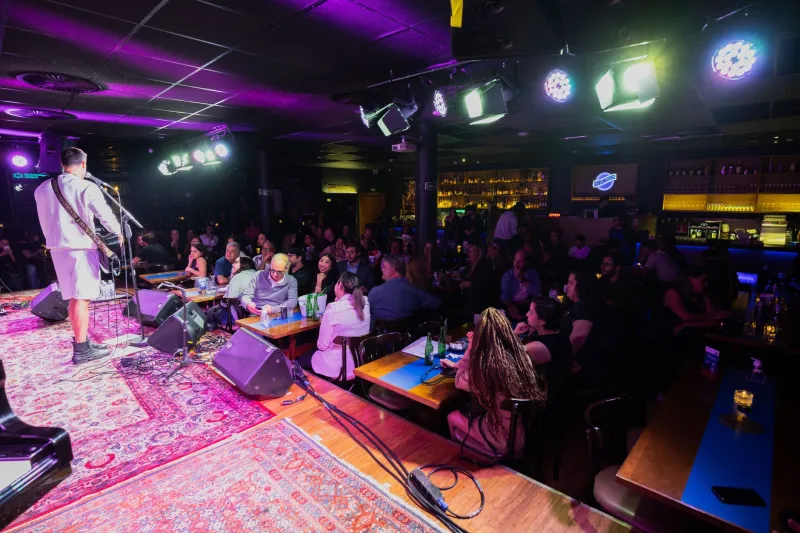
Musicians have noticed. A shop with a good sound system and a back room can host an acoustic set, a listening party, or a merch drop without pretending to be a venue. The overhead is lower. The vibe is weirder. The audience is already awake.
Ink, Merch, and Mutual Aid
The cross-promotion is not an accident. Tattoo artists and underground musicians share a lot of the same audience, the same visual language, and the same scrappy economy. A flash sheet can be a poster. A tattoo can be a piece of merch that never gets lost. A shop can be a pickup point for a tour fund or a zine release.
In 2026, that has turned into a small but real circuit. A band plays a 9 p.m. set at a DIY space. The shop down the street stays open until 3 a.m. with flash designs and a playlist. The band sells a shirt. The tattoo artist sells a small piece. Everybody splits the night in a way that feels less like a transaction and more like a scene.
The best versions of this are careful. They do not treat the shop like a free party venue. They respect the artists who work there, the clients who are getting tattooed, and the neighbors who have to sleep. The point is not to turn every parlor into a club. The point is to give the night somewhere to go that is not a last call.
A Third Space With Sterile Lighting
A third space is supposed to be neither home nor work. For a lot of night people, the old third spaces have gotten harder to find. Bars are expensive. DIY spaces come and go. Coffee shops close early. The tattoo parlor sits in a useful gap. It is a business, but it is also a room where people linger.
That lingering matters. It is where a photographer meets a drummer and plans a video. It is where a promoter finds a new door person. It is where a fan becomes a friend because they both stayed out too late and ended up in the same chair. The underground runs on those small collisions.
There is also something about the setting that keeps people honest. A tattoo shop is not impressed by your following. It is not a velvet rope. It is a clean room with a schedule and a sharps container. That tends to sort out the people who are there for the scene from the people who are there for the photo.
The Rules of the Room
The rise of the late-night shop does not come without tension. Tattoo artists are not event promoters. They have licenses, clients, and rent. A shop that becomes a de facto venue can burn out its staff or create problems with the city. The scene has to be smart about it.
That means respecting the chair. It means not showing up without an appointment and expecting a party. It means tipping the artist, buying the merch, and knowing when to leave. It means treating the shop like a community room, not a content set.
When it works, the tattoo parlor becomes a bridge between the visual and the sonic parts of the underground. It gives musicians a place to be seen without a stage. It gives visual artists a place to show work without a gallery. It gives fans a place to belong after the club has already kicked everybody out.
What Gets Lost When It Closes
Every city has a version of this room. Maybe it is a shop with a neon sign and a cat. Maybe it is a basement studio with a flash sheet taped to the door. When those places close, the scene does not just lose a business. It loses a living room.
So the next time the show ends and nobody wants to go home, look for the light that is still on. It might be a diner. It might be a bar. In 2026, it might be a tattoo shop with a line out the door and a playlist that knows exactly what time it is. That is not a gimmick. That is night culture finding a place to land.