Midnight and Motivated: The No-Budget Creator's Real Playbook for Building Something That Lasts
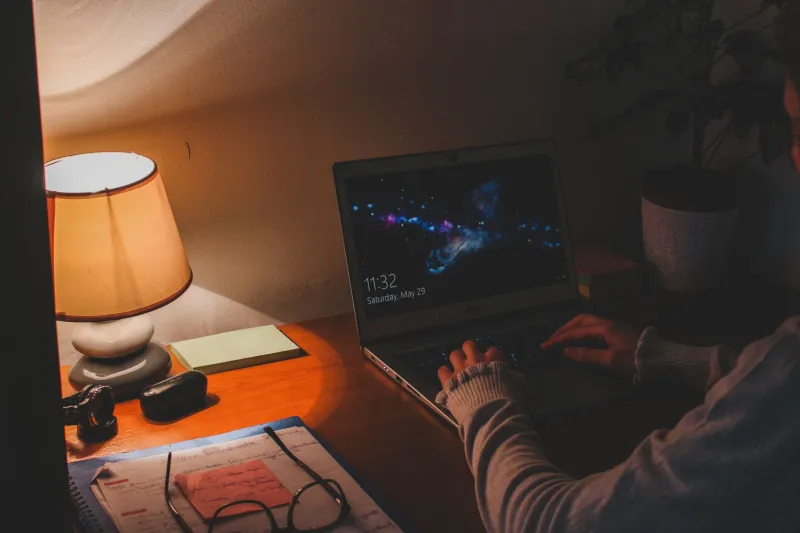
Let me be honest with you about something the creator economy content machine doesn't want to say out loud: most of the advice aimed at aspiring creators assumes you have time, money, and momentum already. It assumes you're not exhausted. It assumes you haven't just spent nine hours at a job you're trying to escape, only to come home and stare at a blank Premiere Pro timeline while your brain slowly turns to oatmeal.
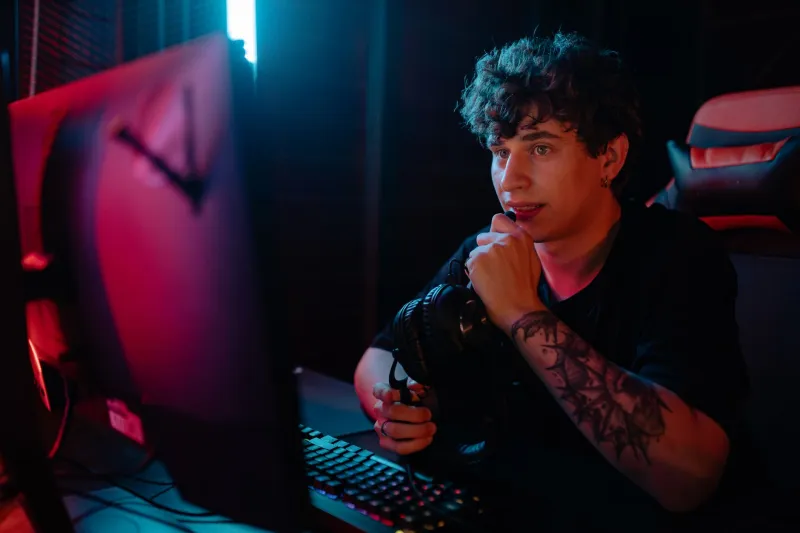
This piece is not for the already-launched. This is for the 11 PM grinders. The people building in the margins. The ones who know they have something real to say or make or play, but haven't yet figured out how to get it out of their heads and into the world without losing their minds in the process.
We talked to a handful of creators who built sustainable, income-generating projects entirely outside of business hours. What they shared was less about hacks and more about hard-won clarity.
The Myth of the Perfect Setup
The first thing that kills night-shift creators isn't burnout. It's gear paralysis.
Somewhere along the way, the internet convinced aspiring creators that they needed a certain camera, a treated room, a specific microphone, a color-graded aesthetic before they could start publishing anything worth watching. This is a lie that benefits equipment manufacturers and nobody else.
Jordan, a Nashville-based musician who now makes a full-time living from Bandcamp sales and Patreon subscriptions, recorded his first three EPs on a $99 USB microphone into GarageBand on a 2015 MacBook. "I spent two years telling myself I'd start when I had a real setup. Then I just started. The first stuff was rough. I didn't care. Rough and real beats polished and fake every single time for the audience I was trying to reach."
The tools that actually matter at the start:
- A phone with a decent camera. If you have an iPhone 12 or newer, or a mid-range Android from the last three years, you have a legitimate production camera. Use it.
- A $50 lavalier mic or a $80 condenser USB mic. Audio quality matters more than video quality. Always.
- CapCut or DaVinci Resolve (free). Both are capable of professional-grade output. Neither costs anything.
- Notion or a simple notes app. Your content calendar doesn't need to be sophisticated. It needs to exist.
The upgrade path reveals itself once you know what you're actually making. Don't buy gear for a vision. Buy gear for a problem you've already encountered.
Time Is the Real Constraint — So Treat It Like One
Here's the productivity framework that almost every successful night-shift creator eventually lands on, usually after wasting months on systems that don't fit their actual lives: protect your blocks, not your hours.
You don't have three hours of contiguous creative time on a Tuesday night. You have forty-five minutes after dinner, fifteen minutes before bed, and maybe a lunch break. Trying to fit a three-hour workflow into forty-five minute slots is a recipe for perpetual incompletion.
The fix is to design your creative process around your smallest reliable block. If you consistently have forty-five minutes, build a workflow where forty-five minutes produces something — a finished short video, a rough vocal take, a completed newsletter draft. Not a piece of something. A complete something.
Alex, a Detroit-based visual artist who grew a five-figure Substack and a significant print sales business while working full-time as a middle school art teacher, calls this "minimum viable creation." Every night he has available, he commits to producing one complete artifact — even if it's small. "A finished sketch beats a half-finished painting every time. Completion builds momentum. Half-finished things just make you feel behind."
The Psychological Game Nobody Prepares You For
Building in private is psychologically brutal in ways that are genuinely hard to prepare for. You're putting real effort into work that almost nobody is engaging with, while simultaneously watching creators with worse ideas and less craft rack up follower counts that feel insulting. The temptation to either quit or chase whatever's trending is constant.
The mindset shift that makes the difference isn't positivity or hustle culture affirmations. It's a genuine reframe of what "working" means at this stage.
You are not trying to grow an audience right now. You are developing a body of work. Those are different objectives with different success metrics. An audience is a lagging indicator. It shows up after the work is already good enough to deserve one. Trying to optimize for audience growth before the work is there is like trying to harvest a crop you haven't planted yet.
Mia, a Chicago-based podcast producer who now runs a profitable media company that started as a solo true crime podcast recorded in her closet at midnight, puts it plainly: "The first year, I pretended I had a million listeners and made the show for them. Nobody was actually listening. But behaving like they were made me take it seriously, which made the show better, which eventually made people show up."
Consistency Over Intensity, Every Time
The night-shift creator's greatest enemy isn't distraction. It's the binge-and-crash cycle. You have a free weekend, you go hard, you produce three months of content in two days, and then you burn out and disappear for six weeks. Your audience — whatever size it is — notices. And more importantly, your own creative rhythm suffers.
Five hours a week, every week, for two years beats fifty hours in a single month followed by radio silence. This is boring advice. It is also the only advice that actually works.
Set a publishing cadence you can maintain on your worst week. Not your best week. Your worst. Then hold it.
The creators who make it from night-shift to full-time aren't the most talented people in the room. They're the ones still in the room twelve months later when everyone else has given up. That's the whole game. Show up in the dark long enough and eventually the light finds you.