Pews, Power Amps, and the Rent Check: How Sacred Rooms Became the Scene’s Backup Plan
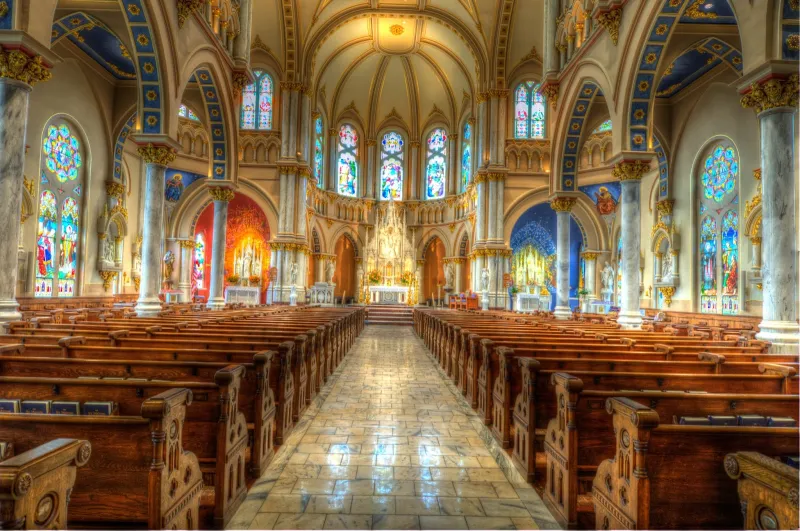
Photo: church basement concert folding chairs small stage, via 4.bp.blogspot.com
On a Friday night in 2026, the line for a show in Northeast Minneapolis starts at a side door beside a church fellowship hall. There is no marquee, no bar, and no bouncer in a black jacket. Just a handwritten sign, a cash box, and a promoter checking names off a list while a custodian props open the door. Inside, a punk band is soundchecking under fluorescent lights, surrounded by folding tables and a piano nobody is allowed to touch. The show is all ages. The rent is $250. The room is sacred, and for the next three hours it is also a venue.
This is not a novelty. Across the US, DIY promoters are renting church basements, synagogue social halls, Quaker meeting rooms, and fellowship halls for shows that would otherwise have nowhere to go. In cities where clubs have closed, rents have spiked, or all-ages options have dried up, faith spaces have become reliable infrastructure. They are cheap, they are often accessible, and they come with chairs. But they also come with trustees, insurance riders, noise curfews, and a congregation that has to decide, again and again, whether a loud show belongs in a room built for quiet.
Why the basement works
The economics are simple. A 200-cap club in a midsize city might charge $800 to $1,500 for a weekend night, plus staff and insurance. A church fellowship hall might rent for $150 to $400, especially on a weeknight or a Friday when the congregation is not using it. The promoter gets a fixed cost, a kitchen, tables, parking, and a built-in curfew. The church gets revenue, community contact, and maybe a new generation of neighbors who know where the building is.
For all-ages shows, the appeal is even clearer. Bars need sales, which means age limits and pressure to drink. A fellowship hall does not. Promoters can run sober shows, early shows, and shows where a 16-year-old can bring a friend without a fake ID. The room is not cool. That is part of the point. It feels temporary, which makes the show feel like a secret rather than a product.
The paperwork is the show
The hard part starts before load-in. Promoters have to negotiate with a building committee, a pastor, a custodian, or all three. Some churches carry liability insurance that covers rentals; others require the promoter to add a rider. Some allow amplified music; others do not. Some ban dancing, alcohol, smoking, or anything that looks like a mosh pit. Some have a hard stop at 10 p.m. because the neighbors have complained before.
Then there is the question of content. A congregation may be fine with a folk singer and less fine with a punk band whose lyrics are about queerness, police, or God. A synagogue may welcome a benefit show but draw a line at a political speaker. A promoter can do everything right and still lose the room because a trustee read the flyer and got nervous. The result is a strange kind of diplomacy: promoters learn to explain genres, write clean contracts, and bring their own trash bags. Hosts learn to ask what the show is actually about instead of guessing from the poster.
What it costs both sides
For promoters, the low rent is real, but so is the labor. There is no bar revenue, so the money has to come from door and merch. There is no full-time staff, so the promoter becomes the sound person, the door person, the security, and the cleanup crew. There are more rules and less margin for error. One noise complaint can end a monthly series.
For congregations, the money helps, but the trade-offs are not only financial. A fellowship hall that hosts a punk show on Friday and a funeral reception on Saturday needs a custodian who can turn the room around. The building takes wear and tear. The insurance company may ask questions. And the congregation may split over whether hosting nightlife is ministry, outreach, or mission drift. The room is not neutral. It carries the history of the people who built it.
The scene's backup plan
None of this replaces a good club. A church basement cannot do a 500-cap show, and it should not try. But in 2026, as venues disappear and cities get more expensive, the basement is a pressure valve. It keeps tours on the road. It gives new promoters a place to learn. It lets all-ages crowds exist without a bar.
The risk is that sacred space becomes just another cheap commodity. The best promoters avoid that by treating the room like a sanctuary, not a steal. They pay on time, leave it clean, respect the curfew, and do not book a show that the host will regret. The best hosts do the same by being clear about their limits instead of saying yes and then panicking. The show is temporary. The building is not. Both sides have to act like they know the difference.