Bottomless Coffee, Zero Contracts: How 24-Hour Diners Became the Scene's Actual HQ
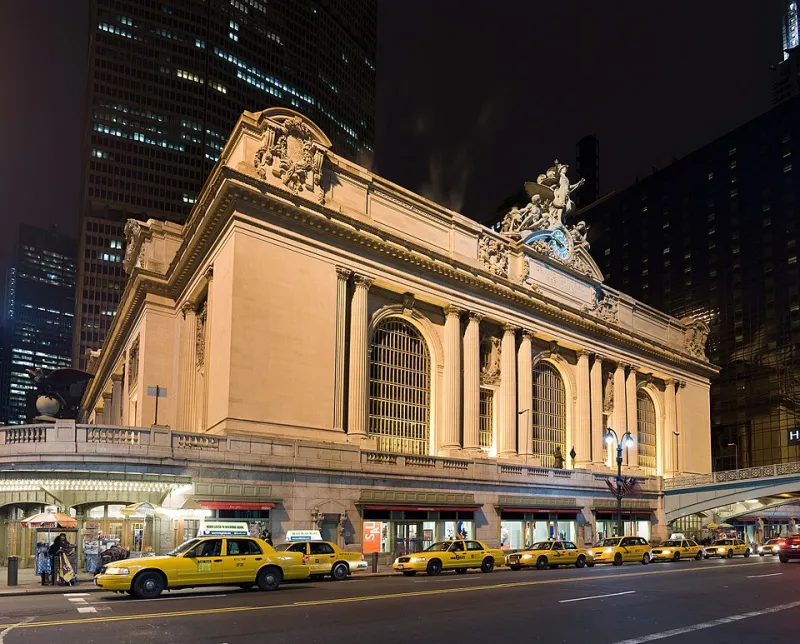
Photo: Fcb981 ; Eric Baetscher (attribution required), CC BY-SA 3.0, via Wikimedia Commons
At 3:58 a.m., the booths are the only real estate that matters. The fryer is humming, the coffee is technically fresh, and four people are crowded around a laminated menu like it is a term sheet. A promoter is doing math on a napkin. A touring drummer is checking gas prices. A person with a laptop and a half-finished flyer is asking whether the venue has a loading door wide enough for a borrowed cabinet. Nobody has signed anything. Everybody is paying attention.
Welcome to the unofficial office of American night culture. In 2026, the underground is still built in warehouses, basements, and borrowed rooms, but the decisions often get made after those places close. The 24-hour diner is where the scene catches its breath and figures out what happens next.
The Meeting That Never Gets a Calendar Invite
If you have spent any time around small venues, you know the drill. The show ends at 1:40. The load-out takes until 2:15. By 2:30, the people who actually made the night happen are too wired to go home and too tired to make good choices. They end up in a diner. That is not a networking strategy. It is a survival pattern.
And yet the diner does the work a green room cannot. It is neutral ground. Nobody is guarding a door. Nobody is trying to look cool under a colored light. The booth is a level surface. A first-time booker can sit across from a touring band and ask real questions without a clipboard in the way. A photographer can show a rough edit on a cracked phone screen. A merch designer can sketch a patch on the back of a receipt while the server refills everybody at the table.
Those conversations turn into tours, split bills, zine pages, and last-minute lineup changes. They also turn into the less glamorous stuff: who is driving, who is getting paid first, and who is going to call the venue in the morning because the deposit never cleared.
Why a Booth Beats a Green Room
The green room is a myth for most of the underground. If it exists, it is a storage closet with a couch and a case of warm water. If it does not, the hallway is the green room. The diner, by contrast, has heat, outlets, and a bottomless cup. That combination is hard to beat.
There is also a social contract in a diner that a venue cannot offer. You have to share space. You have to keep your voice down. You have to be a person in public. That tends to cut through the post-show posturing. People are nicer when a server is trying to get past them with a tray.
This is especially true in cities where the scene is spread across a dozen neighborhoods and the last train has already gone. The diner becomes a meeting point between ZIP codes. Artists from one side of town meet promoters from the other. The person who runs the small record label is in the same booth as the person who runs the small venue. They are not pitching. They are just eating eggs at the same time. That is how trust gets built.
The Bottomless Cup Economy
Diners are not free, but they are cheap enough to keep the night alive. In 2026, a coffee and a plate of fries costs less than a round at most bars. That matters when the door take was soft and the van needs gas. It matters when a promoter is trying to pay three bands and still cover the sound person. The diner is not a business expense anybody budgets for, but it is part of the operating cost of being out there.
That is also why losing these places hurts. A 24-hour diner is a piece of night infrastructure as real as a PA system or a legal capacity limit. When it closes, the scene does not just lose a place to eat. It loses a place to decompress, to debrief, and to make the next plan without renting a room.
When the Lights Come Up
The diner is not a substitute for a venue, a community center, or a fair paycheck. It cannot fix a broken scene. But it is one of the few places left where the underground can be unglamorous in public. No stage. No list. No content. Just a booth, a bad lamp, and enough coffee to get everybody to sunrise.
If you want to understand how a scene actually works, skip the show for once. Find the diner. Sit near the back. Listen to the people who are still awake. The real agenda is usually there, written on a napkin, waiting for somebody to order one more refill.